
Real Estate Builders Winning Clients Through Digital First Impressions
In today’s competitive property market, digital marketing for real estate builders has become more than just a option – it is a necessity. Buyers are searching online, scrolling through listings, and forming opinions before they ever speak to a sales representative.
For real estate builders, this shift isn’t just about being online — it’s about owning the moment someone lands on your brand digitally. That “hello” your website, brochure, or Instagram feed says to a potential buyer could be the only chance you get to make them stay, scroll, and book a site visit.
This blog outlines 10 practical ways real estate builders are creating powerful digital first impressions — and how you can, too.
Why Real Estate Builders Need a Professional Website
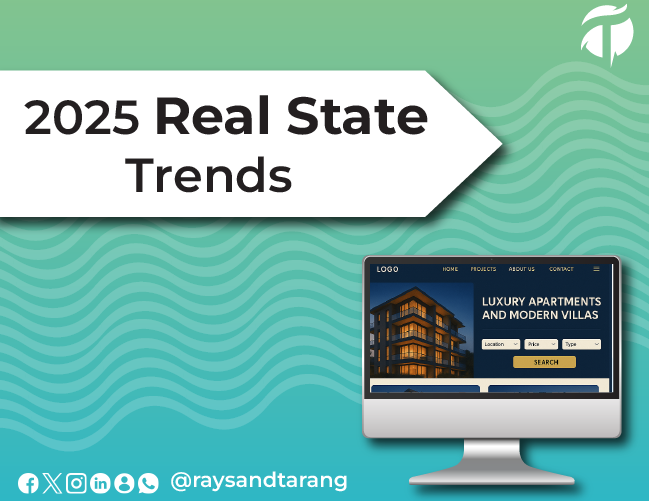
In 2025, your website acts as a first handshake with a potential buyer. Essentially, it functions as your digital sales office—open 24/7, accessible from anywhere, and constantly representing your brand.
However, simply having a website is not enough. A sleek, fast, and informative website doesn’t just build credibility; it tells your visitor that you care about their experience.
Moreover, modern buyers expect more than just basic listings. They expect easy navigation, updated project information, HD images, downloadable brochures, and quick inquiry options.
As a result, builders who invest in user-friendly and mobile-responsive websites not only create strong first impressions but also build long-term trust with potential buyers.
What separates successful builders online is clarity. They present their projects in a way that answers questions even before they’re asked. They highlight location advantages, price transparency, amenities, and possession timelines—all from the home screen. This level of detail signals professionalism, and that’s exactly what buyers are searching for in the digital-first world.
Landing Pages That Convert Browsers Into Buyers
Generic websites are no longer enough when you’re running specific campaigns for a new launch or limited-time offer. This is where landing pages step in. A dedicated landing page acts like a digital salesperson with one job—conversion.
It is built with a single focus: to make the visitor take an action—whether that’s filling out an enquiry form, booking a site visit, or downloading a brochure. Unlike websites that showcase your entire portfolio, landing pages are tailored, precise, and action-oriented.
In 2025, smart builders are using geo-targeted, campaign-specific landing pages for every major project launch. These pages use sharp messaging, visual hierarchy, and strong calls to action. They load fast, work perfectly on mobile, and track user behavior for better campaign optimization.
If you’re spending on digital ads but sending prospects to your homepage, you’re losing valuable leads. A focused landing page with embedded contact forms, WhatsApp chat, and integrated lead tracking can boost your conversion rate dramatically.
Social Media Branding That Builds Trust at First Glance
Buyers don’t just look for homes—they look for brands they can trust. And in 2025, social media is one of the first places they’ll check. From Instagram reels showing site progress to LinkedIn posts about your builder’s legacy—social platforms are where credibility and consistency meet.
Builders winning the digital game aren’t just posting for the sake of it. They’re curating feeds that reflect their project quality, professionalism, and market reputation. They use clean visuals, consistent fonts, brand colors, and storytelling that resonates with the modern buyer.
More importantly, active social pages reassure customers. They can see recent updates, reviews, customer stories, and construction updates. A quiet or inactive social feed, on the other hand, can create doubt—even if your on-ground operations are flawless.
To make a lasting digital impression, your Instagram, Facebook, and LinkedIn should feel like an extension of your physical brand—professional, confident, and updated.
Project Showcases with Visual Storytelling
A well-crafted project page with high-quality visuals is like giving your buyer a guided tour—without them ever stepping foot on the site. In 2025, visuals aren’t a bonus—they’re a necessity.
Builders who present their projects through interactive galleries, walk-through videos, floor plan animations, and drone shots offer a stronger emotional connection. These elements don’t just show space—they show lifestyle. They help buyers imagine living there.
Visual storytelling also means using captions wisely, highlighting key USPs like proximity to landmarks, architecture details, or green certifications. These visual and textual elements combined can increase time spent on the site and improve conversion.
Instead of burying this content under generic sliders, smart builders are designing project-specific sections that load fast and are easy to share. Remember, when a buyer shares your visual with their spouse or friend, your first impression just became your second lead.
The Power of Testimonials and Case Studies Online
Before people trust your brochure, they trust the words of someone who already bought from you. Client testimonials and mini case studies help humanize your brand.
Builders in 2025 are moving beyond simple one-liner testimonials. They’re publishing well-designed success stories—buyers sharing why they chose the project, how the site visit felt, or what made the builder stand out. These can be video clips, social media highlights, or full-fledged pages on your website.
Additionally, including updates on possession handovers or family move-in stories builds long-term credibility. It shows that your promises lead to real outcomes.
The goal is simple—don’t just show your product. Show the people who’ve chosen it.
Local SEO Helps Your Projects Show Up at the Right Time
It doesn’t matter how good your project is—if someone types “3 BHK in Dehradun” and your name doesn’t show up, you’re missing business.
In 2025, local SEO is helping builders dominate search results. From Google Maps listings to location-based landing pages, the builders who optimize their content for “near me” and area-specific terms are winning attention without paying for it.
This involves more than keywords. It means maintaining updated Google Business Profiles, collecting reviews, embedding location maps, and ensuring your project content uses language your buyer is likely to type into search.
Smart builders are now partnering with agencies that provide ongoing SEO support—not just one-time keyword stuffing. Because in real estate, being found is often half the battle.
Mobile Optimization Is No Longer Optional
Buyers aren’t always sitting with a laptop. Most are browsing your listings, clicking on your ads, and filling inquiry forms from their smartphones.
In 2025, if your site takes more than a few seconds to load or doesn’t adjust to a mobile screen, you’ve already lost the deal. A mobile-first experience is now essential, not an afterthought.
That means clickable phone numbers, easy-to-tap buttons, quick inquiry forms, and image sliders that don’t glitch. Responsive design is just the start. You also need mobile testing across devices—especially for iOS and Android browsers.
The builders getting site visits today are those who’ve made sure a buyer can complete the entire journey—from discovery to booking—right from their phone.
Real estate is a competitive space — but your brand doesn’t have to compete on guesswork.
If you’re ready to bring consistency, clarity, and customer focus to your digital presence, RAYS and TARANG Technologies LLP is your ideal partner. From branding and design to targeted marketing campaigns, our solutions are designed for builders who want results.
Email Campaigns Still Win When Used Smartly
With the rise of WhatsApp marketing and SMS, some think email is outdated. But in real estate, it still delivers—when done right.
Builders using smart email workflows in 2025 are nurturing leads with consistent, valuable updates. From project milestones to pricing updates or open house invites—email builds familiarity over time.
What works best are emails that look and feel professional. Not spammy, not cluttered, not confusing. A well-branded email with a strong subject line and a single call to action can bring buyers back to your project.
Better yet, email tracking allows you to see who opened, clicked, or ignored. This means your sales team can follow up only with those who are warm—saving everyone time and energy.
Branded Collateral Matters — Online and Offline
The buyer who visited your site yesterday may walk into your office tomorrow. When they do, will your brochure, signage, and staff language match the professionalism they saw online?
In 2025, brand consistency is key. Builders are working with agencies to ensure that their offline identity—brochures, site hoardings, visiting cards—mirrors their digital brand. Fonts, colors, language tone, and even photography style should align.
This consistency builds trust. It tells your buyer, “We’re organized. We pay attention. We deliver as promised.” If your online presence is polished but your physical material looks outdated or misaligned, it weakens the entire perception. That’s why serious builders are making sure both worlds speak the same language
Data-Driven Decisions: Why Analytics Should Guide Your Digital Strategy
You’ve got a website, you’re posting on Instagram, and you’ve launched a few ads. But do you know what’s actually working?
In 2025, builders who win are not just active—they’re informed. They monitor which campaigns brought in inquiries, what content got the most clicks, and how long visitors stayed on their site.
With tools like Google Analytics, Facebook Pixel, and heatmaps, you can now track the full buyer journey. Builders are using this data to refine messaging, focus budgets on high-performing platforms, and improve site experience.
Guesswork is expensive. Data brings clarity. And in a high-stakes business like real estate, clarity leads to conversions.
Why RAYS and TARANG Technologies LLP?
RAYS and TARANG Technologies LLP brings domain expertise in real estate branding, offering web design, e-commerce portals, SEO, digital marketing, ERP consultancy, and both online and offline branding solutions. We understand how buyers interact with digital spaces — and we help builders turn that interaction into conversion. If you’re a builder who wants to stay relevant, visible, and trustworthy in 2025, we can help.
Frequently Asked Questions
How much does a real estate website cost?
It depends on features like project listings, integrations, and customization. Typically, a professionally designed real estate website starts from ₹25,000 onwards.
Can you integrate site visit bookings into my website?
Yes, we can build automated booking systems with reminders and backend dashboards for your team.
Do I need SEO if I already advertise on property portals?
Absolutely. SEO ensures long-term visibility and organic traffic — unlike paid ads that disappear once you stop spending.
Can you help with branding brochures and offline materials?
Yes. We offer complete offline branding solutions including brochures, project flyers, hoardings, and more — all aligned with your digital image.
Is digital marketing enough to generate site visits?
Digital marketing works best with a complete strategy — from website to retargeting to offline follow-ups. We help you build the entire journey.